
Feel connected to your body, yourself, and others so you can keep showing up for what matters
Online therapy in Somerville and serving all of Massachusetts.
Specializing in art therapy, EMDR, and somatic therapy for adults navigating anxiety, depression, chronic illness, caregiving, and burnout.
You care deeply about your friends, family, and the world at large—and you’re exhausted.
Ever feel like the “This Is Fine” dog, sitting there with your coffee, muttering “this is fine,” staring blankly while everything around you burns?
You’re not alone. These last few years have been especially difficult for many of us. Feeling overwhelmed in an overwhelming time doesn’t mean something is wrong with you– it shows how much you care. But carrying that alone can be so hard.
Are you...
-
You overthink decisions, replay conversations, and have a hard time slowing your mind down. Maybe echoes of the past show up in unexpected moments, challenging your sense of safety. On the outside, you seem composed. Inside, you’re “tired and wired”. You’re exhausted, but rest never feels restful. Your body is sending distress signals—headaches, tension, stomachaches, insomnia—but you keep pushing through. You know something needs to change, but you’re not sure where to start.
-
Everything feels heavy—your body, your thoughts, your feelings. You’re functioning, but you feel like you’re going through the motions. Things feel muted and far away. Things that used to bring you joy feel empty, and even simple tasks take more energy than you have to give. You want relief from the numbness, the flatness, the ache of feeling disconnected from yourself and the things that give your days purpose. You want to feel like an active participant in your life again.
-
Political stress, climate grief, activist burnout—the toll of living in dehumanizing systems is wearing you down. You care deeply, even while knowing that the change you long to see may take generations to arrive. You toggle between doomscrolling and freezing, between wanting to fix everything and worrying you’re not doing enough. Holding so much awareness and compassion is exhausting, and sometimes it feels impossible to keep caring without losing yourself in the process.
-
Every day, you’re managing symptoms while having to navigate the medical industrial complex. You’re drained from advocating for yourself while grieving the changes in your body and their implications for your relationships, your lifestyle, and your plans for the future. Your friends and family care but they don’t always get it. You feel like they’re just waiting for you to “just get better.” But that’s one of the hardest things about chronic illness: it’s chronic. On top of everything is the nagging internalized ableism whispering that you’re not trying hard enough or that it’s all in your head, and making it even harder to feel connected to yourself or others.
-
People lean on you because you’re steady, capable, and caring. But meeting everyone else’s needs means that yours keep slipping to the bottom of the list. You feel guilty for wanting a break, ashamed when resentment bubbles up, and stretched thin by the emotional labor you carry. You love the people you care for, but the exhaustion is real. Always on alert, rarely resting, your body is feeling the toll–like you’re bracing for what’s next even when you’re standing still.
You long for relief. For a way to slow down, breathe, and reconnect with your whole self and what’s most important to you. You want to heal from past hurts, feel grounded and connected in the present, and feel hope for the future, even in an overwhelming world.
If any of this sounds familiar, I get it. You’re not alone.
For people who feel the weight of the world and need a place to set it down.
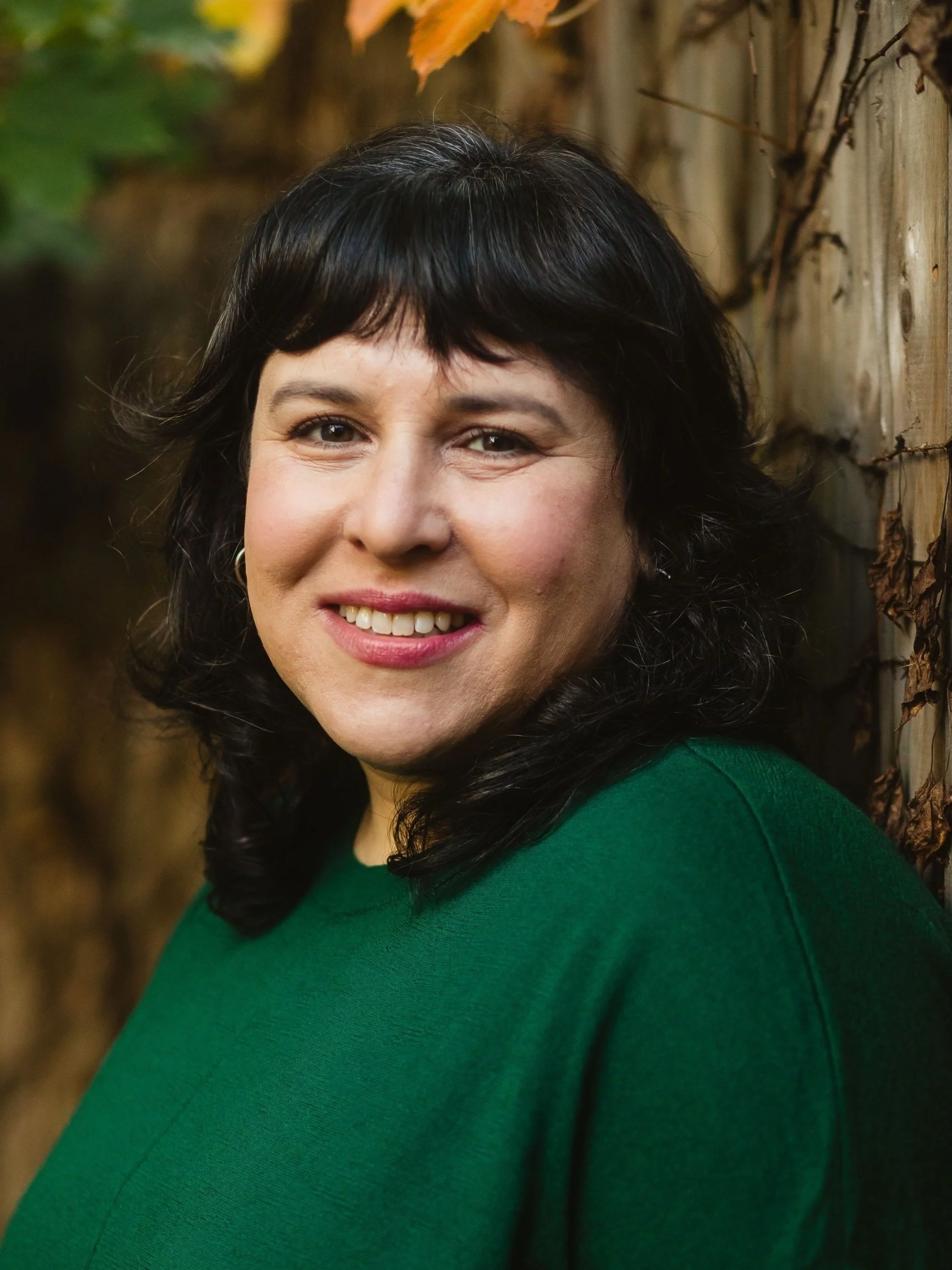
Hi, I’m Lauren.
You don’t have to navigate all of this by yourself. In therapy, we’ll slow things down and make space for your full experience—your thoughts, your emotions, and your body. We’ll also explore your identities, the intersections that shape you, and how they impact the way you move through the world.
My approach is collaborative and grounded in liberation, creativity, and connection.
Depending on your needs, we might talk, use somatic (body-based) practices like mindfulness or breathwork, integrate EMDR to process painful experiences, or incorporate artmaking as a form of expression and way to gain insight. Together, we’ll find the right combination of tools to support your growth.

Specialties
-
Anxiety and depression can drain your energy, cloud your thinking, and make it hard to feel connected to your life. Whether they show up as worry, sadness, pessimism, or physical symptoms like fatigue, insomnia, and tension, we’ll work together to understand what’s happening, support your nervous system with body-based tools, build practical skills, and reconnect you with a sense of grounding, empowerment, and hope.
-
Stress is a normal part of being human—but chronic stress can take a real toll on both your mind and body. It can come from many places: relationships, work, finances, and the exhaustion of living in systems that prize productivity over rest and care. Together, we’ll name these pressures and gently challenge the internalized capitalism that keeps you pushing past your limits. We can also use somatic practices and artmaking to soften the emotional and physical impact of stress so you can feel more ease and capacity.
-
Chronic illness and disability shape daily life in complicated ways and impact our mental well-being. My lived experience of chronic illness means you don’t have to overexplain or justify your reality to me—I get it and I believe you. Together, we may use somatic tools to help you reconnect with your body, EMDR to heal medical trauma or manage pain, or artmaking as a calming sensory practice. We’ll also build self-compassion to unlearn internalized ableism and help you reconnect with yourself, your body, and your communities while learning skills to live your life alongside your illness.
-
Prioritizing others’ needs can come at a cost. You’re feeling stretched thin, burned out, and unsure how to care for yourself without guilt. I’ll help you work through the complicated (and even taboo) feelings that can come with caregiver stress, like guilt, resentment, and anger. help you reconnect with your needs and wants, and soften the toll caregiving has taken on your body and spirit. This is a space where your care counts too.
-
Using art within therapy can be particularly helpful if you’re having a hard time identifying how you feel, or if you find yourself intellectualizing what’s bothering you. As a sensory, body-based process, it can support your nervous system, help release tension, and make space for emotions that are hard to put into words. Art therapy particularly helps people who have experienced trauma, allowing you to reconnect with your body in a gentle, supportive way. I integrate art therapy into my work with clients who are interested in using the creative process to access insight, process emotions, and imagine new possibilities for change.
-
Eye Movement Desensitization and Reprocessing (EMDR) is a structured therapy that helps people heal from the impacts of distressing life experiences. One of the core premises of EMDR therapy is that just as bodies can heal from physical trauma, our brains also have a natural capacity to heal from emotional trauma and move towards mental health. Along with treating trauma, EMDR therapy can help people who are experiencing a range of issues including: anxiety, social anxiety, panic attacks, depression, phobias, stress related to chronic health conditions, and relationship issues.
More ways to work together
Support Groups
I provide online arts-based support groups for adults with chronic health conditions and support groups for caregivers of people with chronic illness.
Workshops & Lectures
I provide online and in-person therapeutic art workshops, as well as lectures on art therapy, craft, and activism for museums, universities, and academic conferences.
Here’s what the first steps of therapy will look like.
-
Start by clicking the “Let’s get started” button below to schedule a brief phone call. This gives us a chance to connect and see if working together feels like a good fit. I’ll ask about what’s bringing you to therapy, answer any questions you have, and we’ll talk through the practical pieces like schedule, fee, and what support might look like.
-
If we decide to work together, I’ll send over some paperwork and a secure Zoom link for our first session. During this first session, we’ll talk through your history, current challenges, and what you’re hoping will feel different. You’ll have space to share what matters to you, and we’ll begin mapping out how therapy can support you, both in the short term and over time. You’ll leave with a few simple tools you can begin using right away.
-
From there, we’ll meet weekly, moving at your pace. We’ll balance practical tools for managing the day-to-day with deeper reflection on how things got hard in the first place and working toward the long-term changes you’re hoping for. With your input around which approaches feel most helpful, our work might include talk therapy, mindfulness, EMDR, or creative expression through art. I’ll check in often to make sure therapy continues to feel useful, supportive, and aligned with your goals.